November 2, 2026
How to Respond to Emergency Plumbing Inquiries
Learn how to respond to emergency plumbing inquiries in minutes, route urgent calls fast, and win more high-intent repair jobs, day or night, when needed.
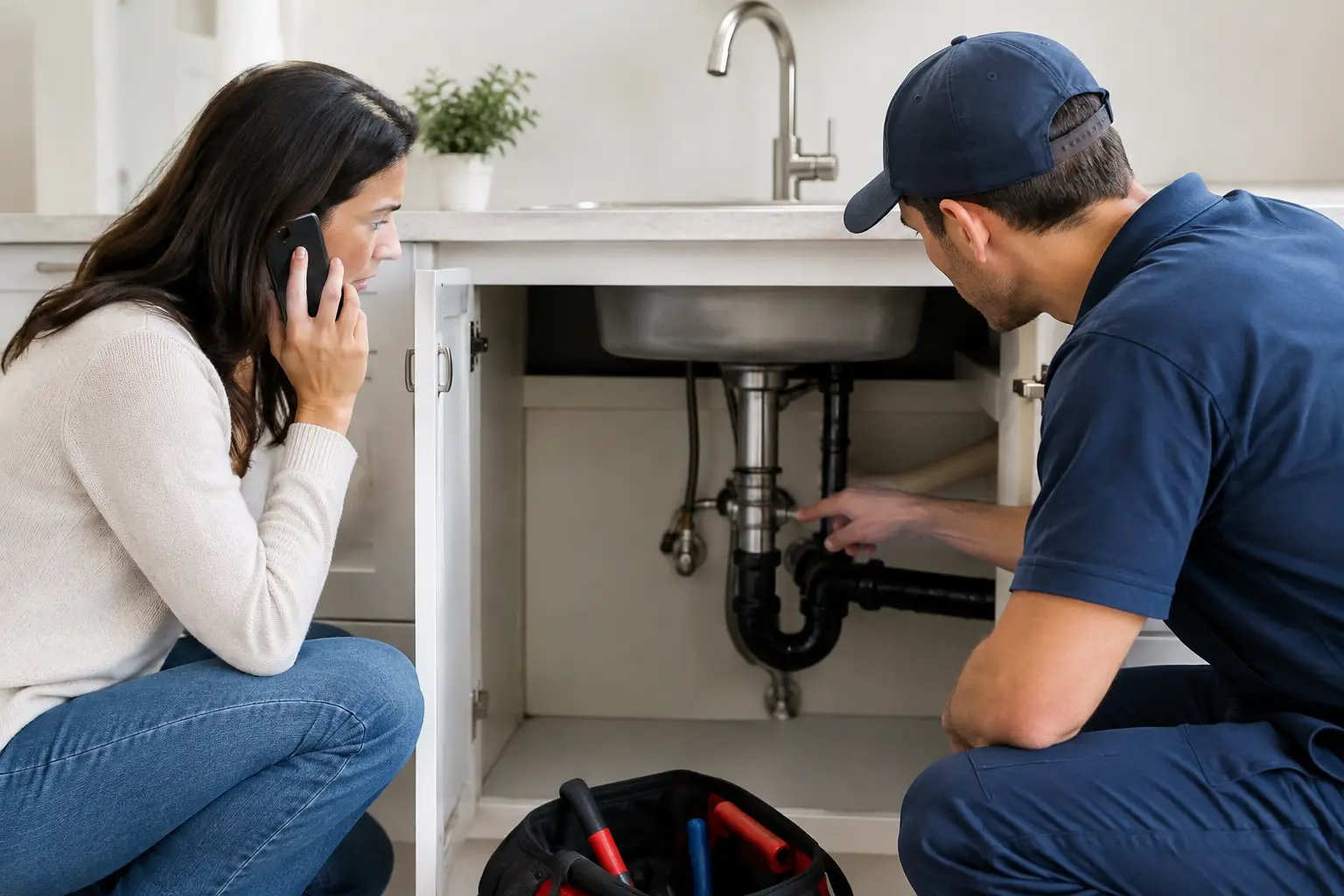
A homeowner with water pushing across the kitchen floor is not filling out one form and patiently waiting. They are contacting three plumbers, calling a neighbor, and searching for the first person who sounds like they can help.
That is why the way you respond to emergency plumbing inquiries matters as much as your technician availability. The job may be yours for the taking, but only if someone sees the request, calls fast, and gives the customer a clear next step. A lead sitting in an inbox for 30 minutes is not a lead. It is probably someone else’s service call.
Emergency plumbing leads are a race against the clock
Emergency customers are buying relief first. Price, reviews, and your company history still matter, but a burst pipe, sewer backup, or failed water heater changes how people choose. They want to know three things right away: Can you help? How soon can you get here? What should I do until then?
A vague auto-reply does not answer those questions. Neither does a callback after your crew has wrapped up the current job. The contractor who makes fast contact has the chance to calm the customer down, assess the situation, and book the visit before the homeowner keeps shopping.
This is not about pressuring people. It is about being useful at the moment they need a plumber most. Fast response protects the customer’s property and protects the revenue you already paid to generate through your website, ads, referrals, or local search presence.
Build a first-response system, not a hopeful habit
Many plumbing companies handle emergency website leads with a loose system: someone checks the inbox when they can, then forwards the message to an owner or dispatcher. That works until the office is busy, it is after hours, or the person responsible is under a sink on the other side of town.
The fix is not necessarily a giant CRM rollout. You need a clear response path that works while your team is doing real work.
Start by deciding who receives every emergency form submission. The owner may want the alert, but the office manager, dispatcher, on-call technician, or answering service may need it too. One person can miss a notification. A small group with clear responsibility is harder to derail.
Next, set a response target. For true emergency requests, aim to make contact within five minutes whenever coverage is available. If a live call is not possible in that moment, send a text immediately and place the call as soon as you can. The customer should never wonder whether their request disappeared into a black hole.
DibsText is built for this exact gap: a website form submission becomes an immediate text and email alert to the people who can act. No CRM. No dashboard to babysit. Your existing systems can stay in place while your team gets the lead while it is hot.
Make the alert useful at a glance
A notification should show enough information to take action without opening a laptop or digging through an email thread. At minimum, the responder needs the customer’s name, phone number, requested service, location if collected, and the time the request came in.
“Emergency plumbing request” is not enough. “Sarah M., 555-123-4567, sewer backup, submitted 8:42 p.m.” gives the on-call person a reason to call now and a little context before they pick up the phone.
If your website form asks for too much before a homeowner can submit it, trim it down. Name, phone, address or ZIP code, and a short description usually get the job done. You can collect the rest during the call. In an emergency, a shorter form means fewer abandoned requests.
What to say when you call
The first call is not a technical diagnosis. It is a triage conversation and a booking conversation. Your responder should sound calm, direct, and prepared.
Start with a simple opening: “Hi, this is Mike with [Company]. I just got your emergency plumbing request. Are you in a safe place to talk?” That first sentence tells the customer you saw their request and that help is moving.
Then get the facts that determine urgency. Is water actively flowing? Can they shut off the main water valve? Is sewage backing up into the home? Is there an electrical hazard near standing water? Is the property occupied? These answers affect dispatch order and may tell you whether the homeowner needs immediate safety instructions before anything else.
Avoid making promises you cannot keep. If your next available technician is 90 minutes out, say so. A realistic arrival window builds more trust than “we’ll be right there” followed by silence. If the customer is outside your service area or the job requires a specialty you do not handle, be honest quickly. It is better to make a clean handoff than to tie up a homeowner during a damaging situation.
Once the situation is clear, ask for the job. Confirm the service address, provide the dispatch or diagnostic fee if applicable, explain the arrival window, and tell them what happens next. For example: “I have a technician available between 9:30 and 10:30. The emergency dispatch fee is $X, and the technician will assess the issue and review repair options before work begins. Would you like me to reserve that slot?”
Clear beats clever. Emergency customers want direction.
If they do not answer, text fast and keep trying
A missed first call should not end the follow-up. People dealing with a leak may be talking to a spouse, moving belongings, or trying to find a shutoff valve. Send a short text within a minute or two:
“Hi Sarah, this is Mike with [Company]. We received your emergency plumbing request for the sewer backup. We have your message and are calling to help. Reply here or call us at [number] for the fastest dispatch.”
Do not send a long paragraph, a generic marketing message, or a wall of questions. The goal is to establish contact and create an easy path back to your team. Make another call shortly afterward if the situation appears urgent.
Texting also helps after the appointment is booked. Send the arrival window, the technician’s name if appropriate, and a quick instruction such as “Please keep pets secured and clear access to the main shutoff if possible.” That reduces friction for the technician and reassures the customer that the job is real and scheduled.
Protect the handoff from lead to dispatch
A fast callback only helps if the job makes it onto the schedule correctly. Emergency work creates room for small details to get lost, especially after hours. Build a handoff process that captures the problem, the agreed arrival window, access notes, fee disclosures, and any safety concerns.
Your dispatcher or technician should not have to call the customer again just to learn whether the water is shut off or whether the home has a gate code. That second call slows the crew and makes your business look disorganized.
Use one owner for each lead. If multiple people receive the alert, make it clear who claims it and who follows up if there is no response. A simple internal message such as “I’ve got this one” prevents duplicate calls and assumptions that someone else handled it.
After the job, review the timeline. When did the form arrive? When was the first text sent? When did someone call? Was it booked? If it was not booked, was speed the issue, price, coverage, or the customer’s situation? You do not need a weekly meeting full of charts. You need enough visibility to catch the leaks in your lead-response process.
Train for urgency without overpromising
Emergency leads deserve urgency, but not panic. Your team should never diagnose complex problems over the phone, quote repairs without enough information, or tell a customer to attempt a risky fix. Give them approved guidance for common situations, such as shutting off the water supply when it is safe to do so, and teach them when to escalate immediately.
The right response depends on the inquiry. A dripping faucet submitted at 11 p.m. may be a next-day call. Water pouring through a ceiling is not. Build categories around real service conditions, then match each category to your staffing and after-hours coverage. If you do not offer 24/7 response, say that clearly and give the customer the earliest honest option.
That clarity will not win every job. It will win the jobs you can serve well, while protecting your reputation and your team.
The next emergency inquiry is already headed to somebody’s phone. Make sure it reaches a person who can call, calm the homeowner, and put a real appointment on the board.
Stop losing leads to slow response times.
DibsText texts you the second a lead comes in. Free 14-day trial, no credit card.
Start Free Trial